
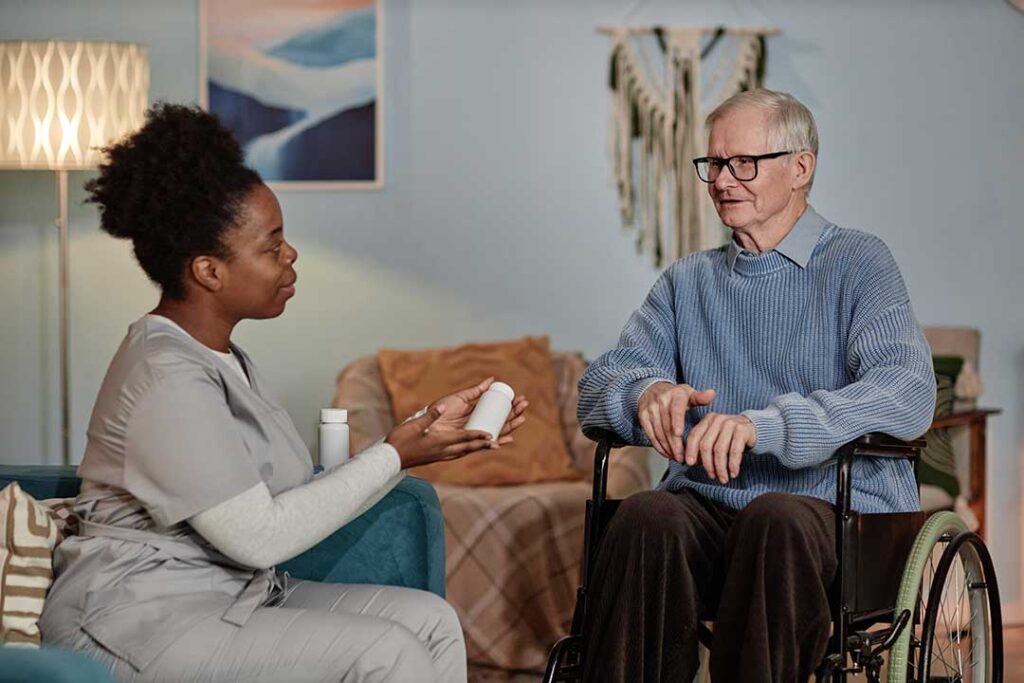
How Do Assisted Living Settings Respect Individual Choices?
Assisted living communities in Northampton, PA strive to respect the unique preferences of each resident by fostering an environment that balances personal independence with necessary support. Residents are encouraged to voice their likes, dislikes, and routines so that their experience reflects their individual needs.
Personalization starts with an in-depth assessment, allowing staff to understand each person's background, interests, and daily habits. For example, meal choices often include a variety of options to cater to personal tastes and dietary restrictions, while daily schedules are adapted to allow residents flexibility in when and how they participate in activities. Familiarity with Northampton’s weather patterns and local culture means seasonal adjustments—such as more indoor options during cold winters—are made with local residents’ comfort in mind.
What Choices Do Residents Have Over Daily Life?
Most assisted living communities offer residents a say in how they spend their days, from sleep and mealtime routines to participation in group or individual activities. Unlike more medicalized long-term care settings, assisted living supports:
- Flexible wake-up and bedtime routines, respecting personal sleep preferences
- Opportunity to select from a menu, accommodating special diets or favorite foods
- Participation in social, physical, or creative activities only if and when desired
- Individual control over room décor, helping maintain a sense of home and identity
Especially in a town like Northampton, with a mix of longtime locals and newcomers, opportunities to engage with familiar hobbies—such as gardening or community volunteering—are often available.
Are Religious and Cultural Practices Supported?
Yes. Many local assisted living settings in the area make efforts to honor residents’ spiritual and cultural traditions. This can mean dedicating space for prayer or meditation, arranging visits from faith leaders, or coordinating celebrations around important holidays and cultural events.
For area households with deeply rooted cultural ties, communities often work with families to understand traditions that matter most. If a resident wishes to observe dietary laws or attend religious services, staff are typically ready to facilitate those preferences, sometimes tapping into Northampton’s diverse resources for spiritual and cultural support.
How Are Personal Privacy and Independence Protected?
A primary concern for many seniors is retaining privacy and autonomy, especially after moving from a private home. Assisted living in Northampton is designed to give residents personal living space, which may range from private rooms or suites to apartment-style settings.
Residents can:
- Choose who enters their room and when (except in emergencies)
- Lock their doors or set boundaries on staff assistance
- Decide on their daily grooming and self-care routines
Staff are trained to offer just the right amount of help—enough to ensure safety but not so much that independence feels compromised. This balance can look different for everyone. For instance, a resident who prefers to manage their own medication or schedule personal outings is usually supported, as long as it’s safe.
How Are Preferences Communicated and Updated Over Time?
Residents should expect ongoing conversations about their wishes—not just a one-time assessment. Most communities perform regular care plan reviews, where individuals and their families provide feedback about services, support, and day-to-day life.
If a resident’s needs or wants change—such as a new diet requirement, emerging hobby, or updated care need—staff update the care plan, striving to remain flexible. Seasonal factors, like winter weather in Northampton, may trigger additional reviews to adjust activities or health supports, ensuring well-being through changing circumstances.
Can Residents Maintain Personal Relationships and Community Connections?

Maintaining long-standing friendships, family bonds, and local community ties are recognized as vital for well-being. Assisted living communities often facilitate:
- Flexible visitation policies, allowing family and friends to visit regularly
- Technology support for video calls, especially for those whose loved ones live outside the area
- Scheduled transportation or group outings to local events, places of worship, or civic activities
Local organizations or clubs may be invited in for on-site programs, so residents stay connected with Northampton’s ongoing activities and traditions.
What If Someone’s Preferences Are Overlooked or Not Met?
It’s possible for preferences to get lost or neglected, especially if there is a breakdown in communication. Residents, family members, or advocates can request care plan meetings at any time. Some practical tips for residents and loved ones:
- Keep a written list of important preferences and share it with staff
- Participate in residents’ councils or feedback sessions commonly offered
- Know whom to contact for concerns, from a care coordinator to an independent ombudsman if needed
Open dialogue, both formal and informal, is essential in ensuring that individuals feel heard and respected in their everyday experience.
Misconceptions About “One-Size-Fits-All” in Assisted Living
A frequent misconception is that assisted living is rigid or inflexible—a place where everyone follows the same schedule. In reality, the model is built around person-centered care. While there are community guidelines, routines are adapted as much as possible for each resident.
It’s helpful to remember that, especially in a close-knit community like Northampton, staff often know residents by name and work to accommodate personal quirks, traditions, and evolving needs whenever feasible.
